
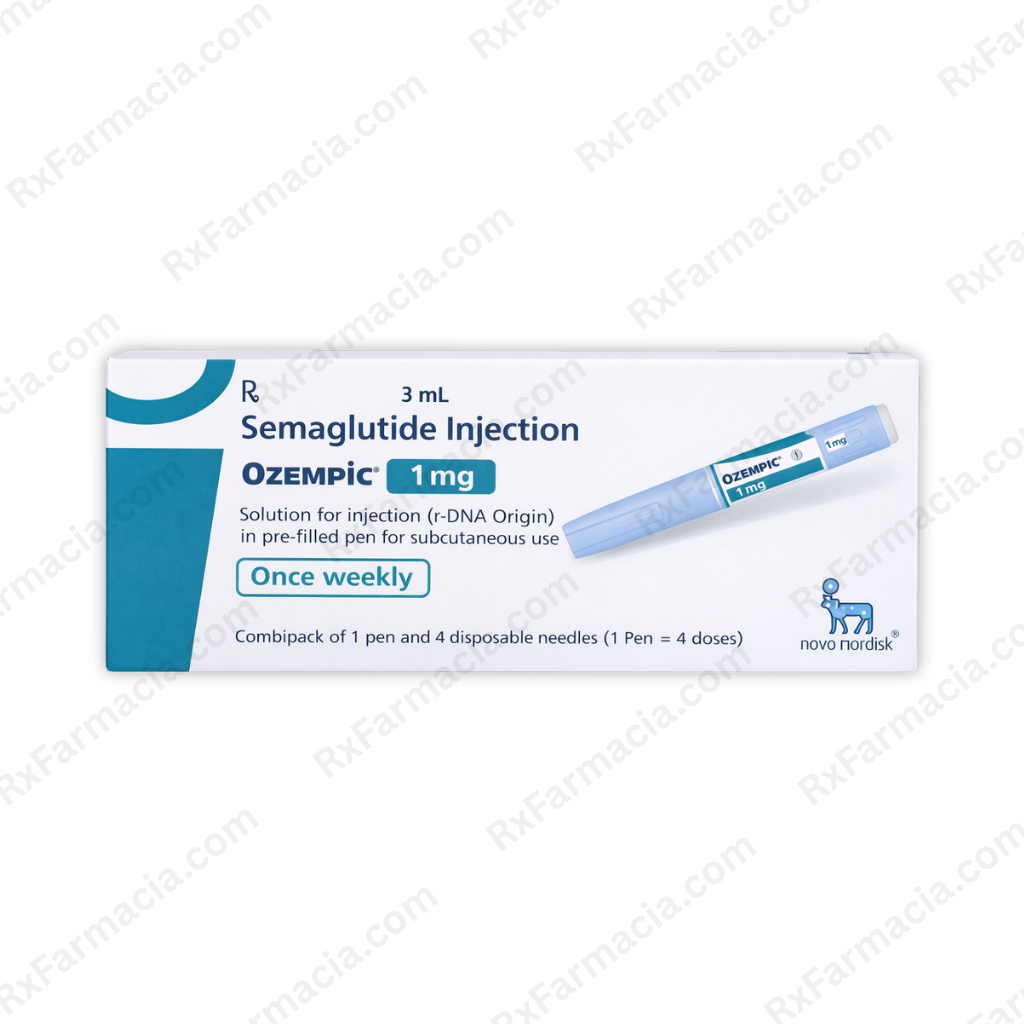
What Is Ozempic 1mg?
Ozempic 1mg is the standard maintenance dose of semaglutide, the dose where the majority of patients on long-term GLP-1 therapy land and stay. It sits between the first therapeutic dose (0.5mg) and the maximum approved dose (2mg), and it represents the best-documented balance of weight loss efficacy and tolerability in semaglutide’s clinical history.
Most patients reach 1mg after eight to twelve weeks on semaglutide, four weeks at 0.25mg, then four or more weeks at 0.5mg. For many, 1mg is the final dose. Clinical outcomes at 1mg are strong enough that a significant proportion of patients never need to advance further.
The 1mg dose is also the most studied semaglutide dose in the world. The SUSTAIN trial series, the largest body of semaglutide clinical research, used 1mg as its primary study dose. This means more real-world data exists for this dose than any other.
What Changes When You Move From 0.5mg to 1mg
Patients consistently describe the shift from 0.5mg to 1mg as the most noticeable dose escalation in the entire titration sequence. Here is what changes clinically:
- Appetite suppression strengthens significantly. Many patients at 1mg describe genuinely forgetting to eat, or feeling satisfied after portions that would have seemed impossibly small before
- Food noise quiets. “Food noise” the persistent mental background chatter about food, cravings, and eating is one of the most commonly cited improvements at 1mg. Many patients describe it as the first time they feel free from constant food-related thoughts
- Cravings for specific foods reduce sharply. High-fat, high-sugar foods lose much of their appeal for most patients at this dose
- Weight loss accelerates. The step from 0.5mg to 1mg typically produces a clear acceleration in weekly weight loss for patients who had begun to plateau
- Satiety after small meals becomes reliable. At 0.5mg, some patients still experience hunger between meals. At 1mg, satiety between meals is typically consistent
How Much Weight Can You Lose on Ozempic 1mg?
The 1mg dose has the most robust clinical weight loss data of any semaglutide dose, drawn primarily from the SUSTAIN 1 through SUSTAIN 8 trial series.
For a 220lb person, 10-14% body weight loss at twelve months equals 22-31 lbs. For a 180lb person, the same percentage represents 18-25 lbs.
These figures reflect patients combining semaglutide with moderate dietary changes. Patients who make no dietary changes see approximately 30-40% lower results. The drug suppresses appetite and reduces cravings what patients choose to eat within that suppression window determines the outcome.
Important context: These are averages from large clinical populations. Individual results range from 5% to over 20% body weight loss at twelve months on 1mg. Genetics, baseline metabolic rate, dietary compliance, and activity level all significantly affect outcomes.
Who Is the 1mg Dose For?
The 1mg dose is appropriate for:
- Patients who have completed at least four weeks at 0.5mg and are ready to advance
- Patients who have plateaued at 0.5mg despite dietary compliance
- Patients whose providers have determined that stronger appetite suppression is clinically appropriate
- Long-term semaglutide users maintaining weight at a stable therapeutic dose
- Patients restarting semaglutide after a gap, once they have re-titrated through 0.25mg and 0.5mg
The 1mg dose is the endpoint of therapy for many patients not a stepping stone. If you are progressing well at 1mg, there is no clinical obligation to advance to 2mg.
What to Expect in the First Four Weeks at 1mg
Week 1: Nausea typically returns briefly at the increased dose. This is the most commonly reported experience at dose escalation and usually resolves within one to two weeks. Appetite suppression is immediately noticeably stronger than at 0.5mg.
Week 2: GI adjustment continues. Most patients begin noticing “food noise” reduction the mental preoccupation with food decreases. Portion sizes naturally shrink without deliberate effort for most patients.
Week 3: For most patients, the acute adjustment phase ends. Side effects stabilize or disappear. Consistent weight loss typically becomes measurable week over week.
Week 4 and beyond: This is the steady state. Most patients find a new normal in eating patterns, portion sizes, and hunger signals. Weekly weight loss of 0.5-1.5 lbs is typical for patients who are also making dietary changes.
Side Effects of Ozempic 1mg
Side effects at 1mg are more pronounced than at 0.5mg, particularly in the first two to three weeks after escalation.
Most commonly reported:
- Nausea at escalation typically peaks in week one and resolves by week two to three
- Constipation more common at 1mg than at lower doses. Daily fiber intake of 25-35g and adequate hydration are essential
- Reduced appetite progressing to early satiety intended effect, but can feel extreme initially
- Fatigue in the first week at the new dose, typically resolving by week two
- Occasional heartburn or acid reflux, particularly if eating too quickly or in large portions
Management strategies specific to 1mg:
- Eat slowly and stop at the first sign of fullness at this dose, the satiety signal comes earlier and more strongly than most patients expect
- Avoid eating to a schedule if you are not hungry. The drug creates reliable satiety honor it
- Prioritize protein at every meal. Semaglutide’s appetite suppression reduces total caloric intake; ensuring adequate protein prevents muscle loss during weight reduction
- If constipation is significant, magnesium glycinate (200–400mg nightly) is well-tolerated and effective for most patients discuss with your provider
- Continue injecting on the same day each week. Irregular injection schedules at 1mg are more likely to cause GI disruption than at lower doses
Serious side effects same as at lower doses. Discontinue and seek immediate medical care for severe or persistent abdominal pain, signs of pancreatitis, or allergic reactions.
How to Inject Ozempic 1mg
The injection process is identical to 0.25mg and 0.5mg. Key considerations at the 1mg dose:
- Room temperature injection is more important at 1mg cold injections from refrigerated pens are more likely to cause injection site discomfort at higher volumes
- The abdomen remains the preferred injection site for most consistent absorption at this dose
- Rotate sites methodically keep a mental or written note of which site was used each week
- Hold the injection button for a full 8 seconds after pressing the higher dose volume requires slightly longer delivery confirmation
- After removing the needle, apply gentle pressure to the injection site for 10 seconds do not rub
Storage Instructions
- Before first use: Refrigerate at 36°F–46°F (2°C–8°C)
- After first use: Room temperature up to 77°F (25°C) or refrigerated for up to 56 days
- Never freeze
- Keep away from direct sunlight and heat sources
- Store with cap on, never with needle attached
- If pen has been left at room temperature for more than 56 days, discard do not use
Frequently Asked Questions
Is 1mg the standard dose for weight loss?
Yes. Ozempic 1mg is the most widely prescribed long-term semaglutide dose for weight management and has the most extensive clinical evidence base of any semaglutide dose. Most patients on long-term GLP-1 therapy for weight loss are maintained at 1mg.
How long does it take to see results at 1mg?
Most patients notice accelerated weight loss within two to four weeks of advancing to 1mg from 0.5mg. Measurable scale results typically appear in the second or third week at the new dose. Consistent weekly loss of 0.5-1.5 lbs is typical from weeks three through six and beyond.
What if I plateau at 1mg?
A weight loss plateau at 1mg after several months of consistent loss is common. First steps: reassess dietary patterns caloric intake often creeps up as patients adjust to the medication. If dietary compliance is strong and plateau persists for eight or more weeks, discuss advancing to 2mg with your provider.
Can I stay at 1mg permanently?
Yes. Many patients use 1mg as their long-term maintenance dose indefinitely. There is no clinical requirement to advance to 2mg. If 1mg is producing adequate results and side effects are manageable, it is a fully appropriate long-term dose.
Is Ozempic 1mg safe long-term?
Semaglutide at 1mg has been studied in long-term trials extending to two years and beyond. No new safety signals emerged in long-term data that were not present in shorter trials. The most important long-term considerations are monitoring for thyroid changes, gallbladder health, and maintaining adequate nutrition given reduced caloric intake.
What happens if I stop taking Ozempic 1mg?
Weight regain is well-documented after stopping semaglutide. Clinical data shows most patients regain a significant portion of lost weight within twelve months of discontinuation. This is not a failure of the drug it reflects that obesity is a chronic condition requiring ongoing management. If discontinuation is planned, discuss a transition strategy with your provider.
How does 1mg compare to Wegovy 1mg?
Ozempic 1mg and Wegovy 1mg contain identical active ingredients at the same dose. Clinical effects are the same. Wegovy is FDA-approved specifically for weight management; Ozempic is FDA-approved for type 2 diabetes. The 1mg dose appears in both titration sequences but is a step in Wegovy’s escalation to its 2.4mg ceiling, while it represents the standard long-term maintenance dose for most Ozempic users.
Will my hair fall out on Ozempic 1mg?
Hair shedding technically called telogen effluvium is reported by some patients on GLP-1 therapy, particularly during rapid weight loss phases. It is driven by the physiological stress of rapid weight change rather than semaglutide itself, and typically resolves as weight stabilizes. Adequate protein intake (at least 1g per pound of goal body weight daily) significantly reduces this risk.
Related Products
- Ozempic 0.25mg: Click here to know more
- Ozempic 0.5mg: Click here to know more
This product description is for informational purposes only. Ozempic requires a valid prescription in the United States. Consult a licensed healthcare provider before beginning or adjusting semaglutide therapy.