
Blog
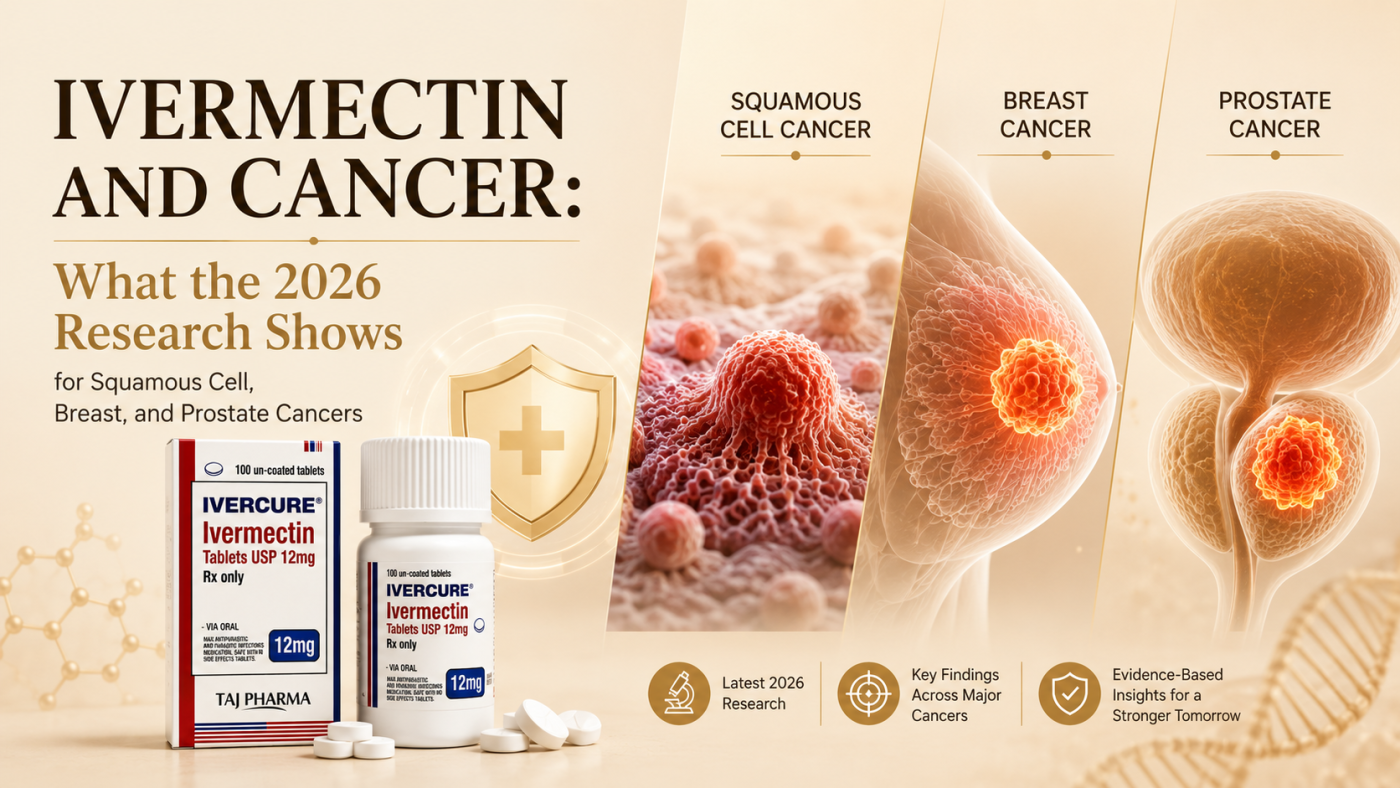
Ivermectin and Cancer: What the 2026 Research Shows for Squamous Cell, Breast, and Prostate Cancers
Jun
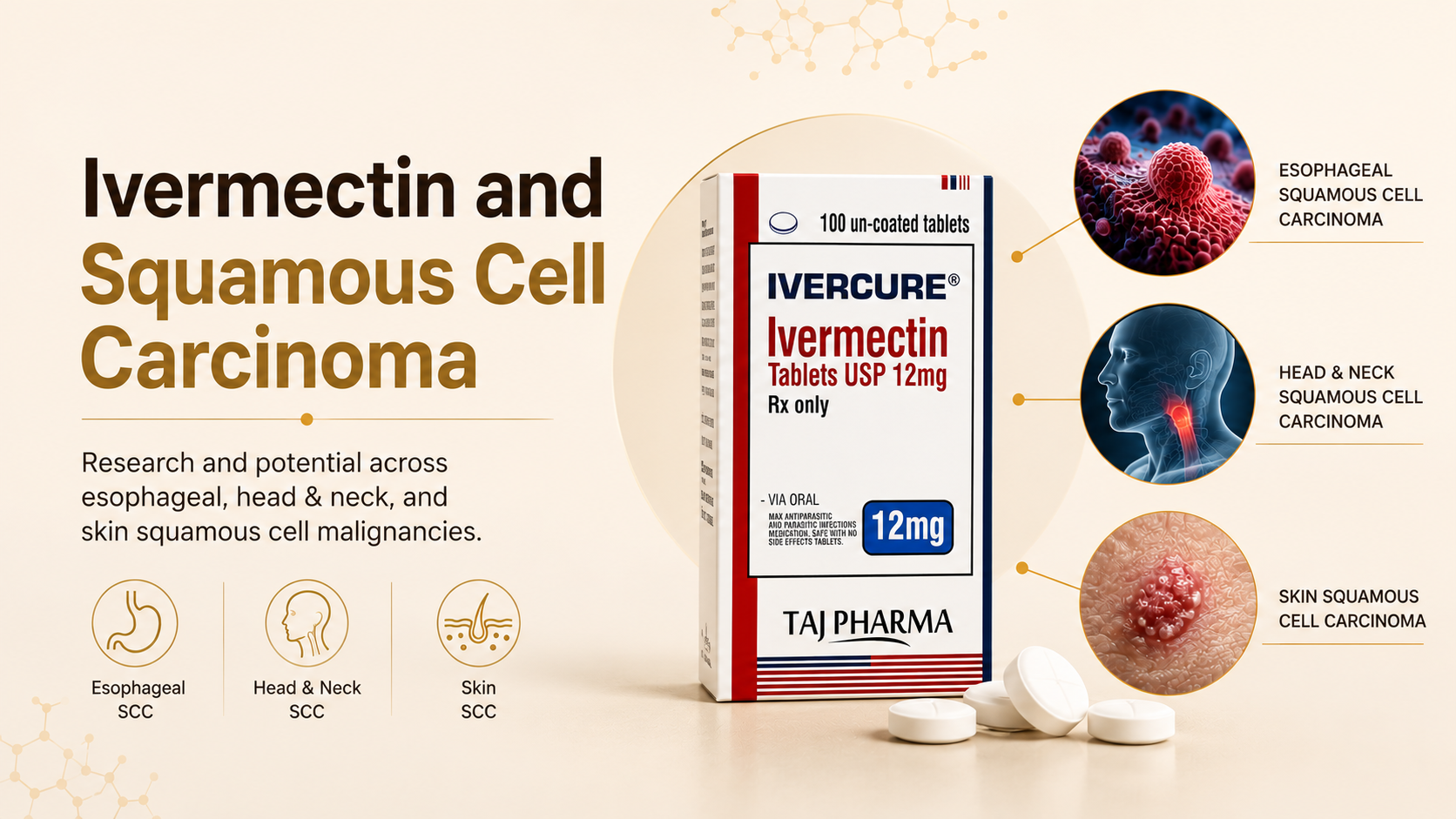
Ivermectin and Squamous Cell Carcinoma
Ivermectin research and squamous cell carcinoma involve multiple anatomic sites. The strongest preclinical evidence is in esophageal squamous cell carcinoma, with developing data in head and neck and skin squamous cell malignancies.
Esophageal Squamous Cell Carcinoma
A 2021 study published in BMC Cancer looked into ivermectin in relation to squamous cell carcinoma of the esophagus. The research showed that ivermectin led to the death of esophageal squamous cell carcinoma cells through a mitochondrial mechanism, and demonstrated tumour shrinkage and reduced metastasis in a murine model. We have uncovered a method by which ivermectin induces degradation of PAK1 by targeting the kinase involved in cancer growth and metastasis.
The preclinical data foundation was further strengthened by a 2025 study, which confirmed that ivermectin-mediated inhibition of PAK1 reduces tumour growth and metastasis in esophageal squamous cell carcinoma. Esophageal squamous cell carcinoma is one of the upper gastrointestinal tumours with the poorest prognosis and limited feasible second-line therapy, which has prompted researchers interested in drug repurposing to focus on the preclinical efficacy of ivermectin in this setting.
Skin Squamous Cell Carcinoma
The association of ivermectin with squamous cell carcinoma of the skin is unexplored but biologically plausible. The use of ivermectin as a topical agent in the management of skin disorders (rosacea, scabies) is well established, suggesting cutaneous administration and safety at the dermal level. The efficacy of ivermectin was tested in preclinical studies on melanoma and skin cancer models and was shown to reduce neutrophil extracellular traps, which could potentially decrease metastatic seeding.
As of 2026, no clinical trial involving humans has been conducted that specifically investigates ivermectin and squamous cell carcinoma of the skin. The research is still pre-clinical, and any use in this context would be off-label, exploratory, and only appropriate under the supervision of an oncologist.
Ivermectin and Breast Cancer
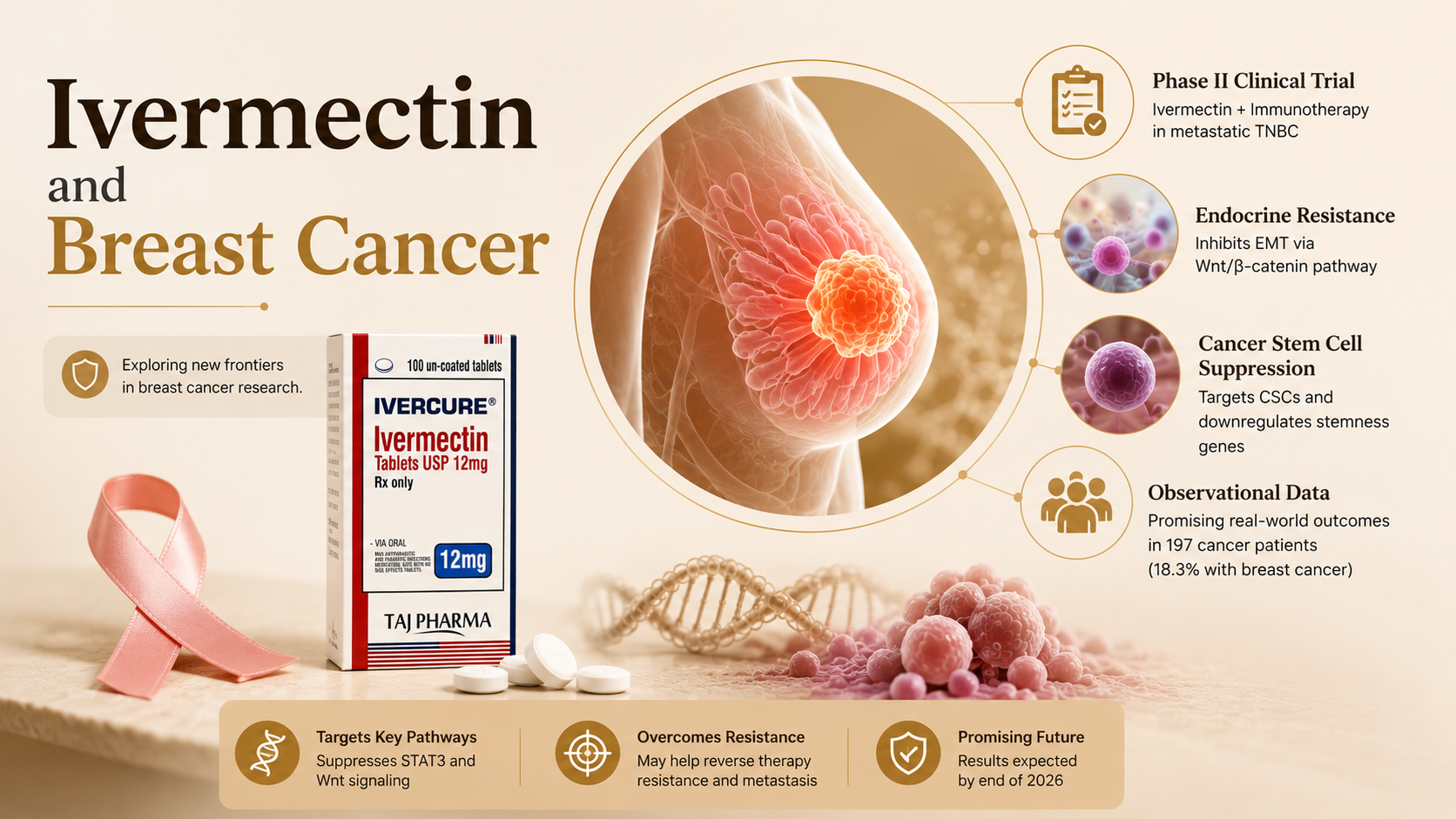
Breast cancer is the tumor type with the most developed human clinical evidence for ivermectin and cancer use, including the only active Phase II randomized trial.
The Phase II Clinical Trial
The most important development in ivermectin and breast cancer research is the Phase II clinical trial at the Cedars-Sinai Medical Centre (NCT05318469), testing ivermectin in combination with balstilimab (an anti-PD-1 immunotherapy) or pembrolizumab (Keytruda) in patients with metastatic triple-negative breast cancer (TNBC). Triple-negative breast cancer (TNBC) is the most aggressive and demanding subtype with limited targeted therapy options and poor prognosis in the metastatic setting.
The trial rationale is mechanistic: ivermectin is expected to augment PD-1 checkpoint inhibitor immunotherapy by suppression of STAT3 and disruption of the Wnt pathway, which are expected to improve cancer immune evasion mechanisms that ivermectin targets but immunotherapy alone may not properly address. Complete results are anticipated by the end of 2026. If positive, this might become the standard of care, but a Phase III trial would still be required.
Endocrine-Resistant Breast Cancer: The June 2026 Finding
A PLoS ONE paper published on June 26, 2026, investigated ivermectin and breast cancer in the context of endocrine therapy resistance, a major problem in the treatment of hormone receptor-positive breast cancer. Research at Chulalongkorn University in Bangkok found that ivermectin inhibits epithelial-to-mesenchymal transition (EMT) via the Wnt/beta-catenin signalling pathway in endocrine-resistant breast cancer cell lines.
Epithelial-mesenchymal transition (EMT) is the process by which breast cancer cells acquire a more invasive, stem-like phenotype that promotes metastasis and is associated with resistance to endocrine and chemotherapeutic therapies. Ivermectin can suppress epithelial-mesenchymal transition (EMT) through blocking the Wnt pathway and so attenuate the progression of breast cancer after the failure of the first hormonal treatment. This is a unique and clinically relevant molecular finding, rather than a generic anti-proliferative effect.
Cancer Stem Cell Suppression in Breast Cancer
Research shows that ivermectin selectively targets cancer stem cells (CSCs) in models of breast cancer. Ivermectin has been shown to downregulate stemness-associated genes in breast cancer cancer stem cells (CSCs) by Dominguez and colleagues. Cancer stem cells (CSC) contribute to therapy resistance, metastasis, and disease recurrence, thereby making CSC-targeted therapies therapeutically relevant beyond anti-proliferative effects.
A 2020 study in Cancer Chemotherapy and Pharmacology examined the effects of ivermectin at clinically relevant concentrations in mouse models and reported a reduction in breast tumours in the treated subjects and smaller ovarian and prostate tumours, providing multi-tumour in vivo evidence at these concentrations.
The Observational Cohort Data
Latest human-level data on ivermectin and cancer outcomes will be published by a planned observational cohort research in Anticancer Research in May 2026. The sample consisted of 197 cancer patients who were given ivermectin and mebendazole off-label by a US telemedicine platform. Breast cancer was the second most common tumour type, accounting for 18.3% of patients.
At 6 months follow-up, 84.4% of the 122 patients who completed follow-up reported a clinical benefit defined as no disease, regression, or stability. However, although this is far above typical rates of clinical benefit for advanced malignancies receiving conventional chemotherapy, the data have substantial limitations: self-reported outcomes, no control group, concurrent therapies in patients, and inherent selection bias in those choosing off-label antiparasitic protocols. This data is not a controlled clinical study.
Ivermectin and Prostate Cancer
Prostate cancer is the most represented tumor type in the observational cohort data and has some of the most specific mechanistic research in the ivermectin and cancer literature.
Androgen Receptor and FOXA1 Targeting
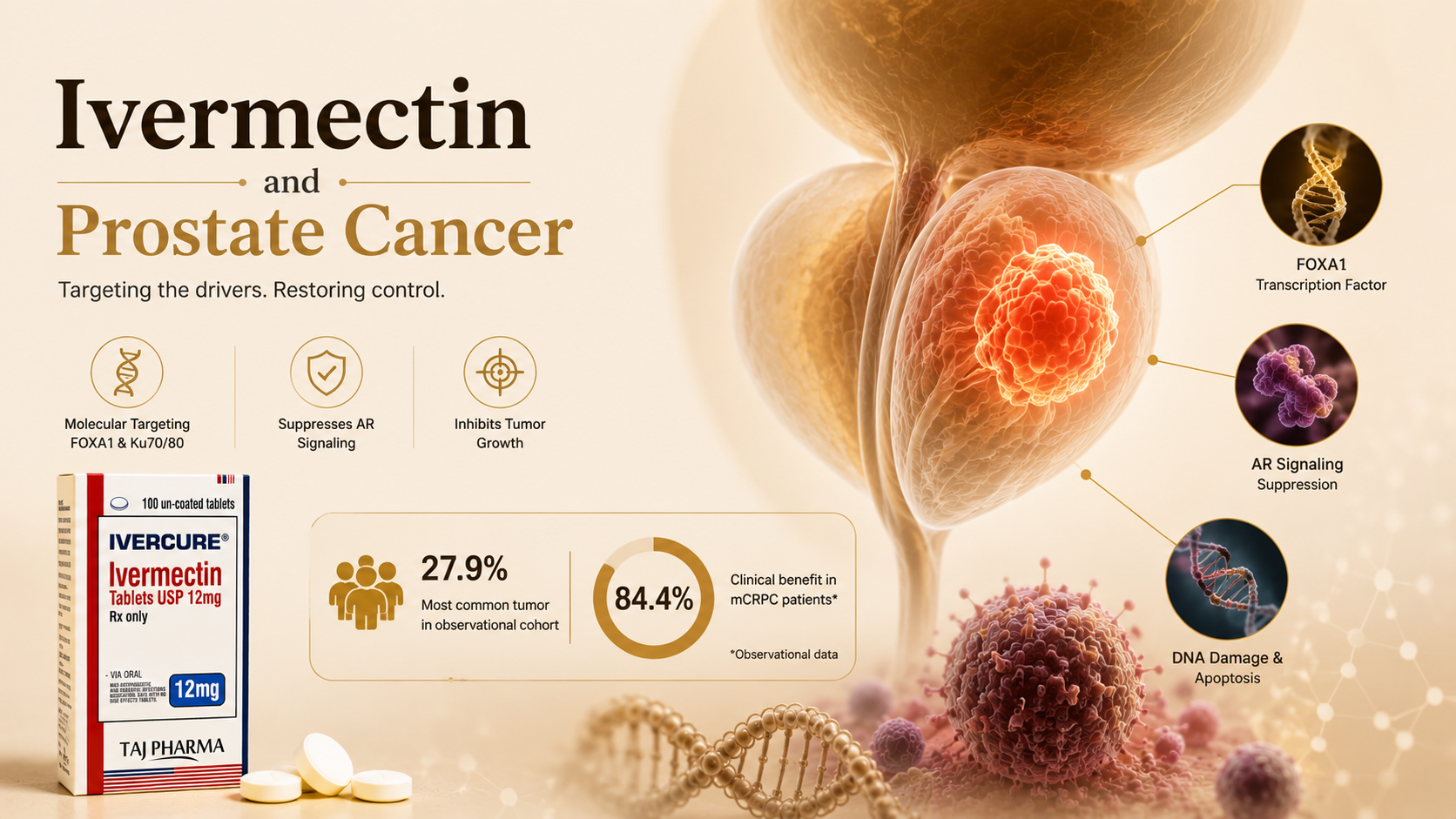
A 2022 study published in Cell Death and Disease used integrated omics profiling to identify the specific molecular targets of ivermectin in prostate cancer cells. In this study, RNA-seq and thermal proteome profiling were employed to identify FOXA1, a forkhead box transcription factor linked with androgen receptor activation, and Ku70/Ku80, executors of DNA repair, as direct targets of ivermectin in prostate cancer. This level of molecular target identification is beyond the pathway level data available for most other tumour types in the ivermectin and cancer literature.
The present work indicated that ivermectin caused G0/G1 phase arrest, apoptosis, DNA damage, and suppression of androgen receptor (AR) signalling in prostate cancer cell lines. AR signalling is the major driver of prostate cancer proliferation and the target of current hormone therapy, and hence the AR-suppressing effects of ivermectin are mechanism-relevant to prostate cancer biology. Ivermectin suppressed the growth of 22RV1 xenograft tumours in mice in vivo.
Ivermectin and Prostate Cancer in the Observational Cohort
In the 2026 Anticancer Research observational cohort, prostate cancer was the most frequent tumour type (27.9% of patients). The study importantly highlights the metastatic castration-resistant prostate cancer (mCRPC) subpopulation, where the clinical benefit rate is 84.4%, compared to conventional chemotherapy benchmarks, which show an estimated clinical benefit of 56.8% with metronomic chemotherapy regimens. This is an observational rather than a controlled comparison, and the populations are mismatched.
Where Ivermectin and Cancer Research Stand in 2026
The honest calibration of ivermectin and cancer evidence in 2026 sits in a specific place: stronger than dismissed, weaker than established.
Pharmaceutical-Grade Ivermectin at RxFarmacia.com
For patients whose oncologists or integrative medicine physicians have included pharmaceutical-grade ivermectin in a supervised cancer protocol, rxfarmacia.com carries two human-grade formulations from WHO-GMP certified manufacturers.
For a full discussion of why pharmaceutical-grade human formulations matter for ivermectin and cancer protocol use, see the Human-grade vs animal-grade ivermectin guide at RxFarmacia.com.
View Ivercure 12mg (Ivermectin 12mg Tablets, WHO-GMP) at RxFarmacia.com →
View Iverotaj 12mg (Ivermectin 12mg Tablets) at RxFarmacia.com →
Frequently Asked Questions
Does ivermectin treat cancer?
Ivermectin is not an approved cancer treatment and is not recommended in traditional oncology protocols for this purpose. The database for ivermectin and cancer is mostly based on preclinical studies (cell lines and murine models) and one current phase II clinical trial in triple-negative breast cancer. Early findings from human observational studies are promising yet uncontrolled. This is experimental research, not established oncology.
What cancers has ivermectin been studied in?
Ivermectin and cancer research have explored more than 20 different types of cancers in preclinical models, including squamous cell carcinoma, breast cancer, prostate cancer, colon cancer, lung cancer, ovarian cancer, bladder cancer, esophageal cancer, liver cancer, and brain tumours. The most advanced human clinical data is for breast cancer (ongoing Phase II trial for triple-negative breast cancer) and prostate cancer (the major group in the 2026 observational cohort).
What is the ivermectin cancer mechanism?
Ivermectin impacts upon cancer biology via multiple mechanisms that are different from its antiparasitic activity on glutamate-gated chloride channels: inhibition of STAT3 (blocking immune evasion and tumour survival pathways), disruption of Wnt/beta-catenin (reducing cancer stem cell activity and epithelial-mesenchymal transition-mediated metastasis), suppression of AKT/mTOR (limiting tumour proliferation), degradation of PAK1 (decreasing tumour invasion), inhibition of importin alpha/beta (preventing nuclear import of transcription factors) and reversal of multidrug resistance.
Is ivermectin used in cancer treatment?
Observational studies report off-label usage of ivermectin in oncology, although it is not a typical practice in the treatment of cancer. A 2026 observational cohort research of 197 patients described the real-world use of ivermectin and mebendazole in cancer patients using a telemedicine platform. The best way to evaluate ivermectin in a cancer regimen is inside a physician-supervised integrative oncology program, not as a substitute for evidence-based mainstream therapy.
What is the ivermectin breast cancer trial?
Cedars-Sinai Medical Centre is testing the effectiveness of ivermectin in combination with either balstilimab or pembrolizumab (both PD-1 checkpoint inhibitors) in patients with metastatic triple-negative breast cancer in a Phase II clinical trial (NCT05318469). Full results are expected by the end of 2026. This is the first randomized human clinical study of ivermectin treatment of breast cancer, and it will provide the first controlled human efficacy data in this area.
Has ivermectin been shown to work against prostate cancer?
Studies involving ivermectin and prostate cancer include a 2022 study published in Cell Death and Disease that identified FOXA1 and Ku70/Ku80 as direct molecular targets of ivermectin in prostate cancer cell lines showing G0/G1 cell cycle arrest, apoptosis, DNA damage, and suppression of the androgen receptor. The study also demonstrated tumour suppression in a mouse xenograft model. The predominant tumour type discovered was prostate cancer in the 2026 observational cohort, with high rates of self-reported clinical benefit but uncontrolled data.
The Bottom Line
Ivermectin and cancer research in 2026 is at a tipping point: it has moved past denial but not yet into a revolution in implementation. The preclinical data is real, the mechanistic rationale is accurate and multi-dimensional, and the NCI decision to initiate official preclinical research in April 2026 is a signal of institutional recognition of that rationale.
For ivermectin and cancer, the human evidence is limited to one current phase II study of triple-negative breast cancer and an observational cohort of 197 individuals. Both are important, but neither substitutes for evidence from Phase III controlled trials, and current oncology recommendations rightly note that limitation. At whatever level of evidence available now, ivermectin is not an alternative to traditional cancer therapy.
Patients and physicians considering adding ivermectin to a supervised integrative program should utilize pharmaceutical-grade human formulations with a known dosage. Decades of experience with these antiparasitics at standard levels do not translate to the high doses used in some cancer studies, and their use in this setting should be under close medical monitoring.
